Decorative Stone Delivery
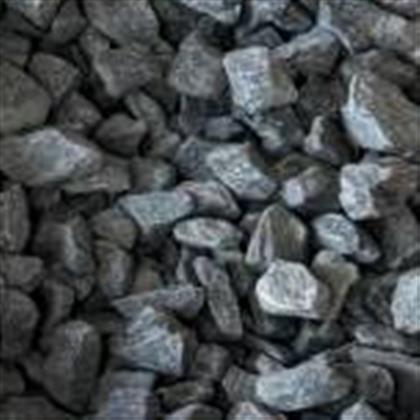
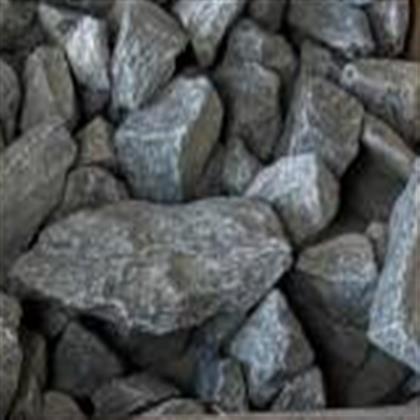
Sixteen colours and gradations, photographed off our own sample board. The stone people actually see — beds, borders, pool decks and driveway aprons.
What separates decorative stone from ordinary gravel
Structurally, not much. A decorative stone and a drainage stone can share the same gradation and behave identically underfoot. What you are buying when you buy decorative is consistency of colour and cleanliness — stone that has been washed properly, sized tightly, and comes out of a source that will look the same on the second load as it did on the first.
That is also why it costs more. Local #57 limerock is quarried a few miles from most South Florida jobs and is grey because that is what the ground here is. A white marble chip or a brown river rock is trucked in from Georgia, Alabama, Tennessee or further, and the freight is a real part of the number.
The practical consequence: order decorative stone for the whole job at once. If you come back in eight months for four more yards, the colour may not match, because the pit will have moved to a different face or the source will have changed entirely. On buried aggregate nobody notices. On a white bed in front of a house, everybody does.
The full range
These are photographed straight off the sample board at the yard, in daylight, unretouched. Natural stone varies load to load, so treat them as a close guide rather than a colour match — if the job is going in front of a client, ask and we will get you a physical sample before the truck loads.
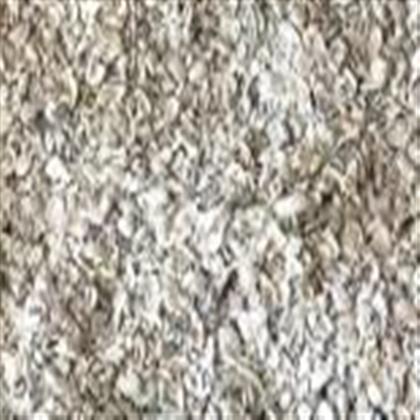
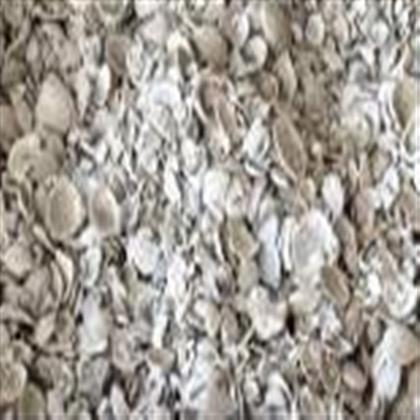

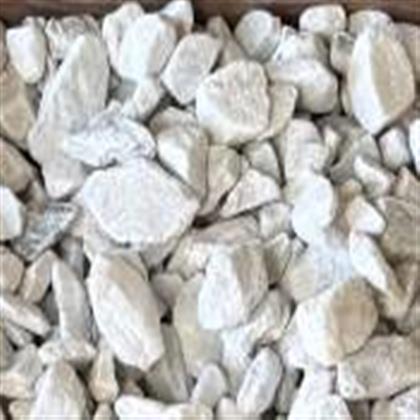
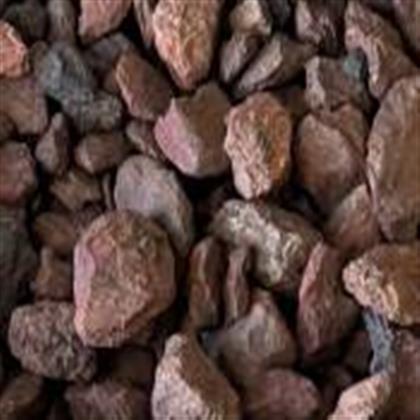
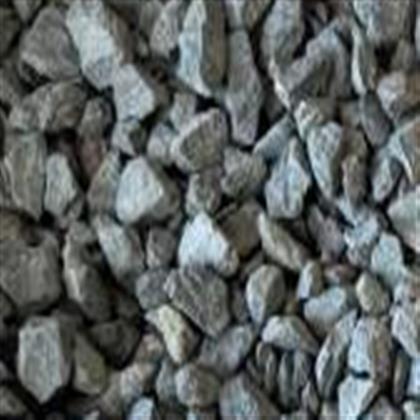
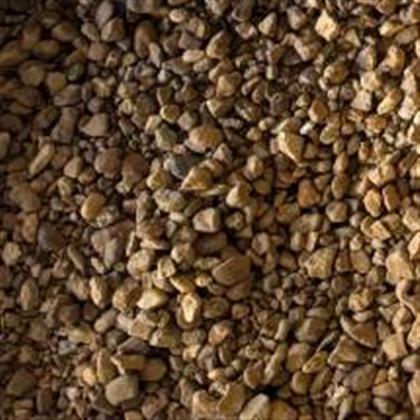
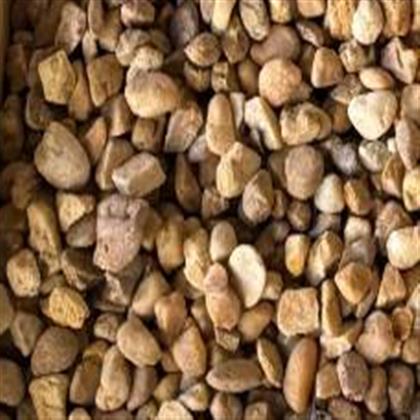
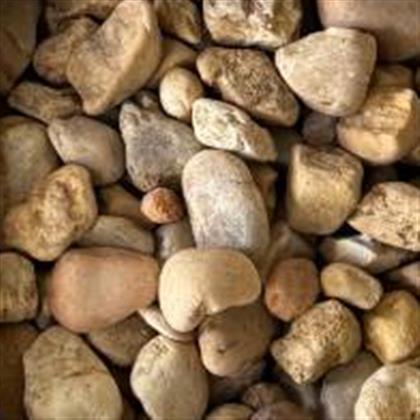
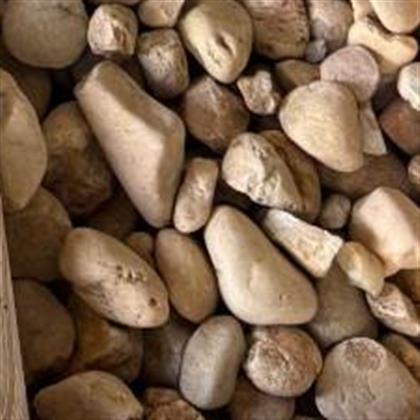
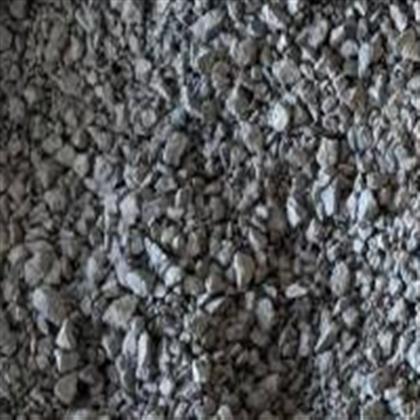
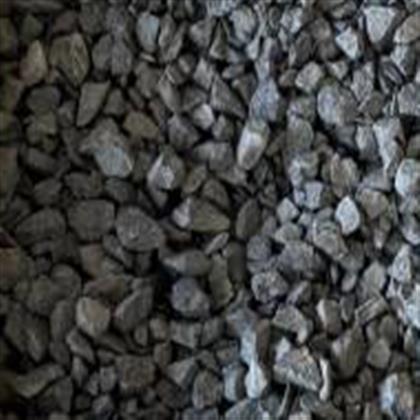
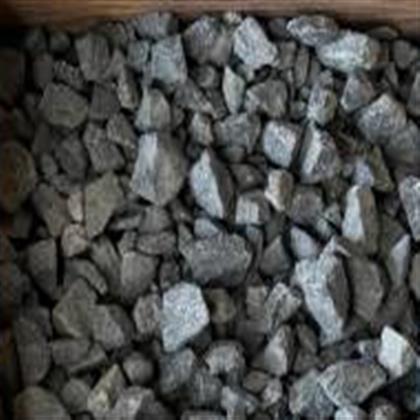
The four families, and how to choose between them
Shell is the native-looking option and the cheapest of the decorative range, because it comes out of Florida rather than off a truck from Georgia. Hash shell and crushed coquina carry fines and will pack down, which makes them workable on paths and drives. Small washed shell is cleaner and looser and belongs in beds. All shell is soft: it breaks down over years and wants topping up.
Marble chip is the brightest stone we carry and the one clients ask for by name. It reads pure white from the street. It is also the least forgiving — every leaf, every bit of soil splash and every rust stain off an irrigation head shows on it. Put it where rain washes it and away from oak litter, or it will look tired inside a season.
Granite is imported, angular and grey, and it is what to reach for when the stone has to work as well as look good. It is harder than limestone, does not chalk, and holds its colour. The gradations run from #89 at three-eighths of an inch up through Mod 4 at around three inches, so there is a granite for a planting bed and a granite for a construction entrance.
Brown river rock is rounded and water-worn rather than crushed, in warm tans and golds, and it is the default for naturalised landscaping and dry creek beds. Because it is rounded it never locks, so it migrates — the same trade-off as pea rock. Edge it. The four sizes we stock let you grade a creek bed properly: fine in the shallows, oversized cobble in the channel.
Colour that still looks right in five years
Two things change the appearance of a stone bed over time, and neither of them is the stone fading.
The first is organic staining. Leaf litter, mulch wash and lawn clippings settle into the voids and darken the whole surface. Light stone shows it worst, which is why marble chip and washed shell need to be sited away from heavy canopy or committed to an occasional wash-down. Grey granite and brown river rock hide it well and are the low-maintenance choices.
The second is the stone sinking. Without a separation layer, loose stone works down into soil under foot traffic and rain, and soil works up into the stone. Within two or three years the bed reads brown regardless of what colour you started with, and the only real fix is to strip it and start again. A geotextile underneath is the cheapest insurance on the whole job.
One thing worth saying plainly: a photograph on a screen is not a colour sample. The swatches above are shot from our own board in daylight, which is more honest than most, but they are still pixels. If the job is going in front of a client, ask before the load goes out and we will get you a sample.
Installing it so it stays put and stays clean
Two to three inches is the right depth for a decorative bed. Thinner and the fabric or the soil grins through; thicker and it is money lying on the ground plus an unstable surface to walk on. Oversized cobble is the exception — a single layer of stone is the look, not a depth.
Lay a woven geotextile, not the thin non-woven weed fabric sold in garden centres. It costs a little more per square foot and it is the difference between a bed that lasts ten years and one that needs redoing in three.
Edge everything. Rounded stone in particular will walk out of an unedged bed and end up in the turf, where it finds a mower blade. Aluminium edging, a paver soldier course or a poured concrete curb all work; the choice is aesthetic, but having one is not optional.
Where stone meets a driveway or a walked route, step up a size. Half-inch river rock on a path scatters; inch-and-a-half stays where you put it. The instinct is that smaller stone is more comfortable underfoot, and it is — right up until it has migrated across the driveway.
Quantities and coverage
Most decorative stone runs between 1.3 and 1.45 tons per cubic yard, so one cubic yard covers roughly 150 square feet at 2 inches or 100 square feet at 3 inches. Shell sits at the light end of that range, granite and river rock at the heavy end.
A front bed, a pool surround or a tree-ring package is typically three to eight yards. That is a completely normal order here — our minimum is one cubic yard, and we will bring a single yard to a residential address without a surcharge or an argument about it.
Bigger jobs are no different at the other end. Commercial landscape packages, amenity decks and model-home programmes go out by the tri-axle load on a schedule, and we will hold colour across the whole release if you tell us the total up front.
If you are ordering other materials for the same job — topsoil, mason sand, limerock base under a paver run — say so and we will combine what we can onto one truck rather than charging you two deliveries.
Why decorative stone is quoted rather than priced online
Every other material on this site carries a price per yard on the page, and we would rather that were true here too. It is not, for a reason worth explaining.
Decorative stone is imported. It is quarried out of state, railed or trucked into a Florida yard, and the landed cost moves with freight, with which yard is holding inventory that week, and with how far your job sits from the yard holding it. Two customers ordering the same marble chip thirty miles apart can be a meaningful distance apart on price, and posting one number would mean one of them was being overcharged.
So: tell us the product, the quantity and the delivery address, and you get a locked, all-in delivered number — usually within the hour during business hours. Same as everything else we sell. The only difference is that the number comes from a person instead of from the calculator.
Work out what you need
We do not publish a rate on Decorative Stone — it is sourced per job and the number depends on the product and the destination. Size the job below, then call or send us the details and we will come straight back with an all-in delivered price.
Specification
| Property | Detail |
|---|---|
| Range | 16 stocked decorative stones — shell, marble, granite, river rock and colour stone |
| Size range | Crushed fines through 5 inch oversized cobble |
| Shapes | Angular (granite, marble, red rock) and rounded (brown river rock) |
| Washed | Yes on washed and river-rock products; hash and coquina shell carry fines |
| Approx. weight | 1.3 to 1.45 tons per cubic yard depending on product |
| Coverage at 2" | ~100 – 110 sq ft per ton |
| Coverage at 3" | ~70 sq ft per ton |
| Pricing | Call — decorative stone is quoted per product and per destination |
Figures are typical, not guaranteed. Weights and gradations vary between pits and sources. If your job is specified, send us the relevant plan sheet and we will match it — and confirm quantities against your own scale tickets once you are running.
What it is used for
- Planting beds, borders and tree rings
- Pool deck surrounds and courtyard surfaces
- Driveway aprons, entries and parking strips
- Dry creek beds, swales and downspout splash areas
- Xeriscape and low-water ground cover in place of sod
- Erosion control on slopes and shorelines in the larger gradations
- Rooftop and paver ballast where appearance matters
- Model homes, amenity decks and commercial landscape packages
Working out how much you need
Material is sold by the ton. Plans are drawn in cubic yards. That mismatch is where most ordering errors come from, and they are expensive in both directions — running short stops a crew, and over-ordering by a large margin ties up money in a pile.
The arithmetic: multiply length by width by depth in feet, divide by 27 to get cubic yards, then multiply by the material's weight per yard. Most rock runs about 1.35 to 1.4 tons per cubic yard; compacted base is heavier at roughly 1.65; topsoil is lighter at about 1.15.
Then allow for compaction. Base and fill lose roughly 20 to 25 percent of their loose volume once they are properly compacted, so the tonnage you order should be above the theoretical plan volume. Our tonnage calculator builds that allowance in and converts the answer into truckloads.
Order slightly heavy. Two extra tons in a pile costs almost nothing and always gets used. Two tons short on a Friday afternoon costs you a whole extra delivery and a crew standing around.
Decorative Stone — common questions
How much does decorative stone cost per yard?
Can I get a sample before I order?
Will a second load match the first?
What is the difference between granite and the local grey rock?
Which decorative stone is best for a driveway?
Do I need landscape fabric underneath?
How deep should decorative stone be?
Where we deliver Decorative Stone
Both coasts. Palm Beach, Broward and Miami-Dade down through the Keys, and Manatee, Sarasota, Charlotte, Lee and Collier on the Gulf side. Mainland deliveries are same or next day; the Keys are scheduled runs.
Related materials
Stop Babysitting Your
Material Suppliers. Call Us.
A locked quote in under an hour. Trucks on site when you need them. One invoice when the job's done.